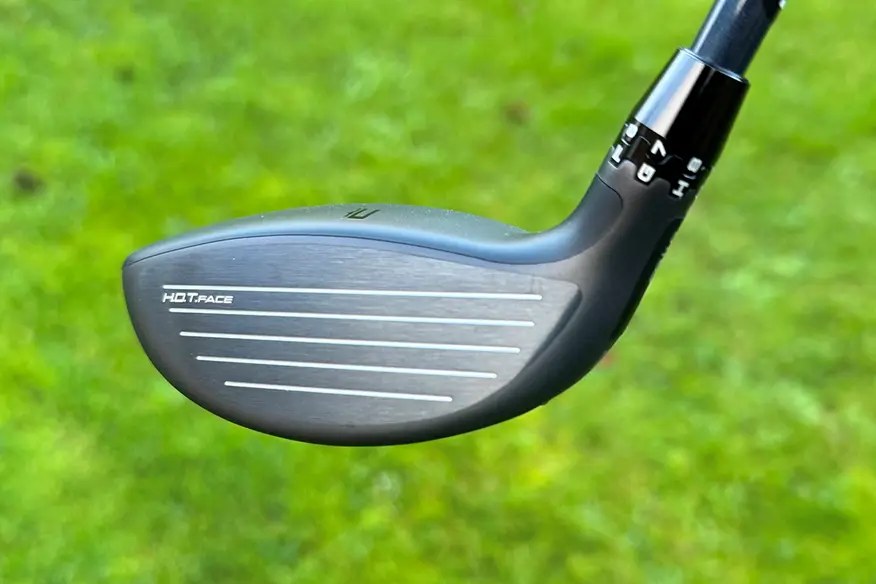
There’s a clear trend emerging across all levels of golf—from everyday club players right through to the PGA Tour—and that’s the rise of the 7-wood and even the 9-wood back into the bag. Once seen as “old school,” these clubs are now being embraced for a very modern reason: they make the game easier.
So where do they fit, especially at Whangaparaoa and Helensville Golf Club during winter?
As we move into the colder months, our course conditions change. The fringes get longer and “stickier,” and the rough becomes heavier. That means low-flying shots from long irons or even some hybrids can struggle—they land hot, release too much, and are harder to control out of thicker lies.
This is where a 7-wood (typically around 20–22° loft) or 9-wood (24–26°) becomes a real weapon.
These clubs are designed to launch the ball higher with more spin. That higher flight is critical in winter conditions. When you’re coming into greens surrounded by soft, grabby fringes, you want the ball landing steeply—almost dropping onto the green—so it stops quicker. A 7-wood gives you that “soft landing” advantage that a 3- or 4-iron simply can’t match for most golfers.
They’re also incredibly forgiving from the rough. The wider sole and extra loft help the club glide through thicker grass, maintaining speed and helping you get the ball airborne—something that can be a real challenge with lower-lofted clubs in winter lies.
Think about those longer par 4s and reachable par 5s. Instead of forcing a low, running shot that may get tangled in the fringe, a higher, softer approach with a 7- or 9-wood can hold the green and give you more birdie chances.
If you haven’t tried one lately, this winter is the perfect time. It might just be the easiest upgrade you make to your bag—and your scoring.